
Understanding the psychological triggers behind gambling behavior in casinos
The Allure of Gambling: What Draws People In
Gambling in casinos has a strong psychological appeal, primarily due to the thrill associated with risk-taking. The anticipation of a win stimulates the brain’s reward system, releasing dopamine, a neurotransmitter that plays a crucial role in pleasure and motivation. This chemical reaction can create an addictive cycle, as the brain starts to associate gambling with positive feelings and excitement. Many online platforms, such as winissimo-uk.com, showcase how exhilarating this experience can be, creating habitual gambling behaviors as players seek to replicate that initial rush.
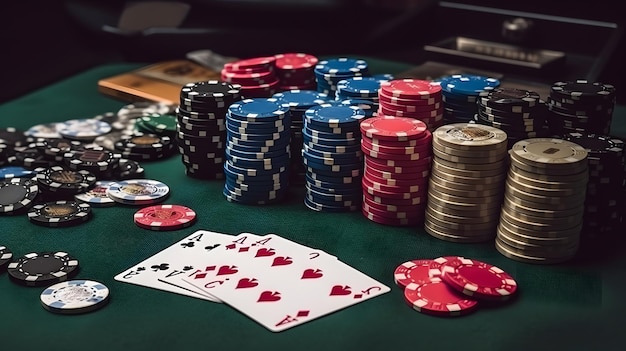
The environment of a casino enhances this psychological allure. From the bright lights and colorful decor to the sounds of winning machines, everything is designed to keep players engaged. These sensory experiences can heighten emotions, making the act of gambling feel exhilarating. Such an environment capitalizes on a player’s feelings and reinforces the idea that winning is just around the corner, even when statistical odds suggest otherwise.
Moreover, social factors play a role in the appeal of gambling. Casinos often create spaces that facilitate interaction among players, which can enhance the overall experience. This social aspect can further cloud judgment, making individuals more willing to gamble. The combination of social reinforcement and psychological triggers keeps players returning, often against their better judgment.
The Role of Cognitive Bias in Gambling
Cognitive biases significantly influence gambling behavior, leading players to make irrational decisions. One of the most common biases is the «illusion of control,» where gamblers believe they can influence the outcome of games of chance. This false sense of empowerment can motivate individuals to engage more frequently in gambling, despite the randomness of many games.
Another prevalent cognitive bias is the «gambler’s fallacy,» where individuals mistakenly believe that past outcomes affect future results. For instance, someone might think that after several losses, a win is due, leading them to wager even more money. This fallacy can be particularly dangerous, as it encourages continued betting and escalates financial loss.
Furthermore, casinos often exploit these cognitive biases through marketing strategies. By emphasizing win-streaks and showcasing winners prominently, casinos can reinforce the idea that success is achievable and encourage players to gamble in hopes of experiencing that same fortune. This tactic perpetuates gambling behavior by playing into existing psychological triggers and biases.
Emotional Triggers and Gambling
Emotions significantly impact gambling behavior. Many individuals use gambling as a coping mechanism to escape from stress or other emotional challenges. In this context, casinos provide a temporary reprieve from reality, allowing players to immerse themselves in a world of chance and excitement. However, this emotional reliance can lead to problematic gambling behaviors, as individuals may resort to gambling to mask their feelings rather than addressing underlying issues.
Additionally, the thrill of winning can create a euphoric emotional state that players find intoxicating. Even small wins can produce a rush of happiness that players seek to replicate. This emotional feedback loop can lead to increased betting, as individuals chase that high, often leading to greater losses. The emotional highs and lows associated with gambling can create a rollercoaster of feelings that some find irresistible.
The emotional aspects of gambling can also be tied to a sense of community. Shared experiences, such as celebrating wins or commiserating over losses, can create bonds between players. However, this sense of belonging can further entrench individuals in gambling behaviors, as they may feel pressure to continue playing to maintain those social connections. The interplay between emotion and social dynamics plays a pivotal role in understanding gambling behavior in casinos.
The Impact of Reward Systems on Gambling Behavior
Reward systems are a critical element in influencing gambling behavior. Casinos often implement loyalty programs that provide incentives for continued play. These rewards can be anything from free drinks to complimentary hotel stays, and they serve to encourage players to return. The anticipation of these rewards activates the brain’s reward pathways, which can lead to habitual gambling.
Moreover, the timing and unpredictability of rewards can heighten their effectiveness. Casinos strategically design games to provide intermittent rewards, which can create a sense of excitement. This unpredictability aligns with the psychological concept of variable reinforcement, where the promise of a reward keeps players engaged, often leading to extended play sessions.
The structure of games themselves often includes features that enhance the perception of winning. For instance, near misses, where players come close to winning, can activate the reward system even when no actual payout occurs. This phenomenon can create a false sense of achievement, compelling players to continue gambling in hopes of hitting the jackpot. Understanding these reward mechanisms is crucial for grasping the psychological triggers that drive gambling behavior.
Online Casino Gaming: A New Frontier for Gambling Psychology
The rise of online casinos introduces new dimensions to gambling behavior and psychological triggers. Unlike traditional casinos, online platforms offer convenience and anonymity, making it easier for individuals to gamble from the comfort of their homes. This accessibility can lead to increased gambling frequency and potentially problematic behaviors, as players might find it easier to lose track of time and money.
Online casinos also employ targeted marketing strategies that leverage psychological triggers. For instance, welcome bonuses and promotional offers can create a sense of urgency, prompting players to engage more quickly. Additionally, the design of these platforms often mirrors traditional casino environments, complete with vibrant graphics and immersive gameplay, further stimulating engagement.
Furthermore, the social aspect of online gambling cannot be underestimated. Many online casinos incorporate features such as live dealer games and chat rooms, allowing players to interact with others. This sense of community can reinforce gambling behaviors, as players may feel more inclined to engage when they perceive that others are doing the same. As such, the psychological triggers behind gambling behavior extend beyond physical casinos into the digital realm, requiring a comprehensive understanding of these dynamics.